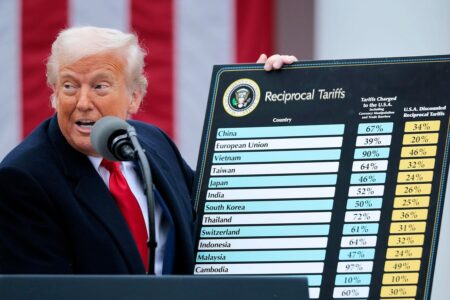





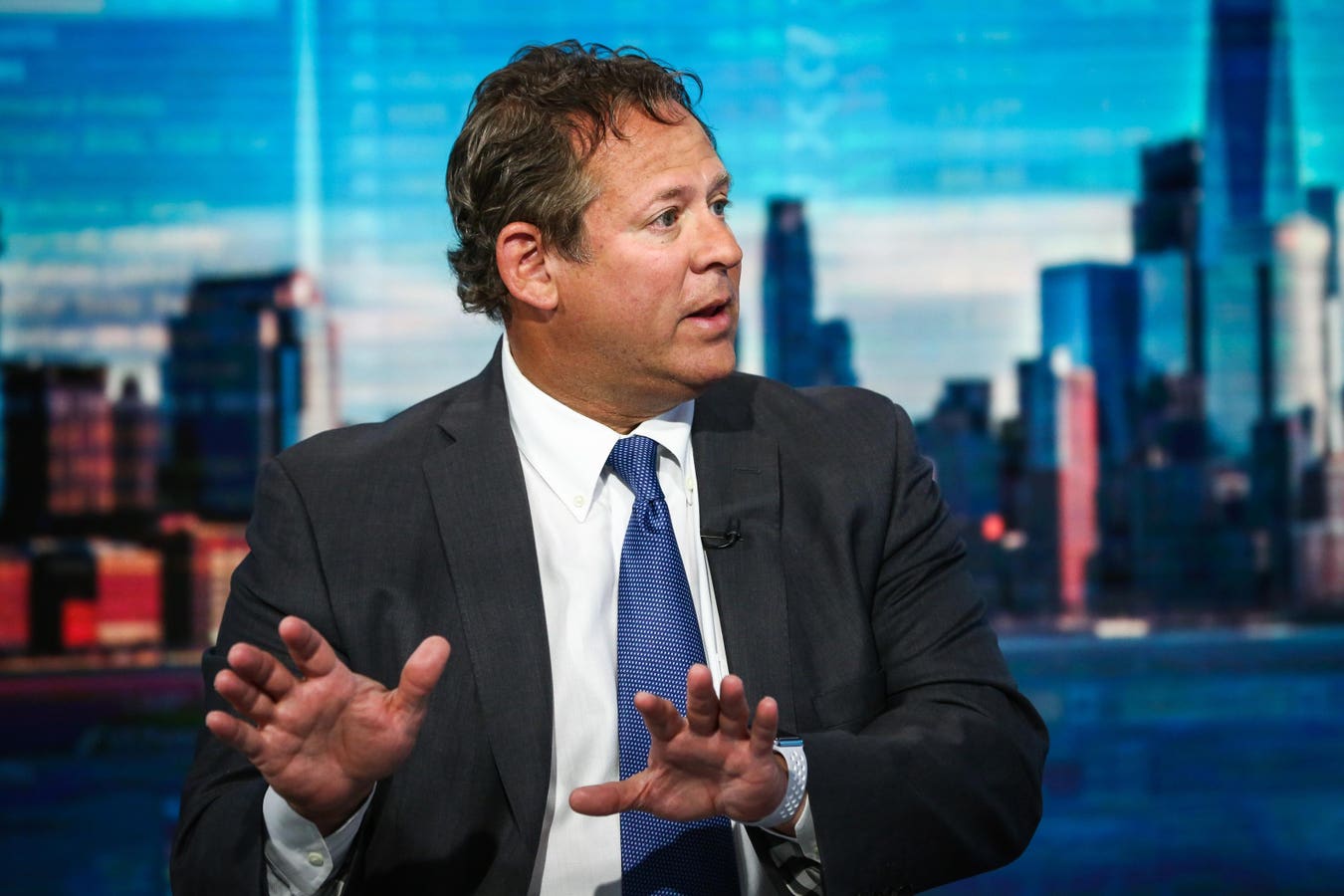
BlackRock’s Rick Rieder has emerged as the leading candidate to chair the Federal Reserve, according to prediction markets, signaling a potential shift toward more market-oriented monetary policy. Rieder’s odds on Polymarket have surged from 6% in mid-January to over 60% currently, following President Trump’s remarks at the World Economic Forum in Davos where he called the BlackRock executive “very impressive.” The nomination is expected by the end of January, with Trump indicating he may have narrowed his choice down to a single candidate.
Rieder currently serves as Chief Investment Officer of global fixed income at BlackRock, overseeing approximately $2.4 trillion in bond strategies. While he lacks formal Federal Reserve or government experience, he has served as vice chairman of the U.S. Treasury’s Borrowing Committee and as a member of the New York Fed Investor Advisory Committee on Financial Markets. His selection would represent a departure from the traditional academic economists who have typically led the central bank.
Market-Focused Approach to Federal Reserve Policy
The potential Rieder appointment aligns with the White House’s push for more aggressive interest rate cuts and pro-growth monetary policy. According to recent interviews, Rieder has advocated for lowering the federal funds rate to 3%, which he considers closer to equilibrium. “I think the Fed’s got to get the rate down to 3%. I think that’s closer to equilibrium,” Rieder said in a January 12 interview with CNBC.
This stance on Federal Reserve policy would likely please the Trump administration, which has been vocal about wanting lower interest rates to stimulate economic growth. Additionally, Rieder has proposed creative uses of the Fed’s balance sheet, including reinvesting proceeds into agency mortgage bonds rather than Treasuries to make homeownership more affordable. His market-savvy perspective could introduce new approaches to monetary policy implementation.
Housing and Economic Growth Priorities
Rieder has consistently emphasized the importance of housing market velocity for broader economic health. According to his December appearance on the Meb Faber Show podcast, he stated that “three-quarters of the wealth in this country is in people’s homes. Without housing velocity, labor mobility suffers, construction employment stalls, and wealth formation for younger households breaks down.”
Many economists share his view that limited housing turnover constrains economic growth by reducing labor mobility and wealth creation opportunities. His focus on achieving nominal GDP growth of 4.5% to 5% suggests he would prioritize the Fed’s maximum employment mandate alongside price stability. This growth-oriented perspective distinguishes him from more inflation-focused candidates.
Questions About Fed Independence
However, Rieder has sought to reassure markets and lawmakers about his commitment to central bank independence. In his CNBC interview, he emphasized that “whoever is in the seat is going to make the right decisions for maximum employment and price stability.” This statement appears designed to address concerns that a market-focused Federal Reserve chair might be more susceptible to political pressure.
Meanwhile, analysts at Poseidon Partners suggest that “a Rieder nomination would be the most market-friendly on first reaction, reflecting strong confidence in his understanding of financial markets and policy transmission.” Short-term Treasuries would likely rally on expectations of faster rate cuts, while rate-sensitive sectors such as housing, REITs, utilities, and small-cap stocks could benefit from lower borrowing costs.
Potential Confirmation Challenges
Despite his market credentials, Rieder could face scrutiny during Senate confirmation hearings. Democrats may raise questions about potential conflicts of interest given his role at BlackRock, the world’s largest asset manager, according to political observers. His lack of traditional government experience could also become a point of contention during the confirmation process.
In contrast, Republicans are expected to view his nomination favorably given his pragmatic approach and stated commitment to Federal Reserve independence. His technical credibility and lack of public criticism of Fed policy could smooth the confirmation path. Nevertheless, his willingness to use the Fed’s balance sheet for targeted interventions like lowering mortgage rates could raise concerns about blurring the lines between monetary and fiscal policy.
The Senate confirmation process timeline remains uncertain, though it would likely begin shortly after the formal nomination announcement expected later this month. Markets will closely monitor any hearings for signals about how Rieder would balance his market expertise with the institutional discipline required of a Federal Reserve chair.