




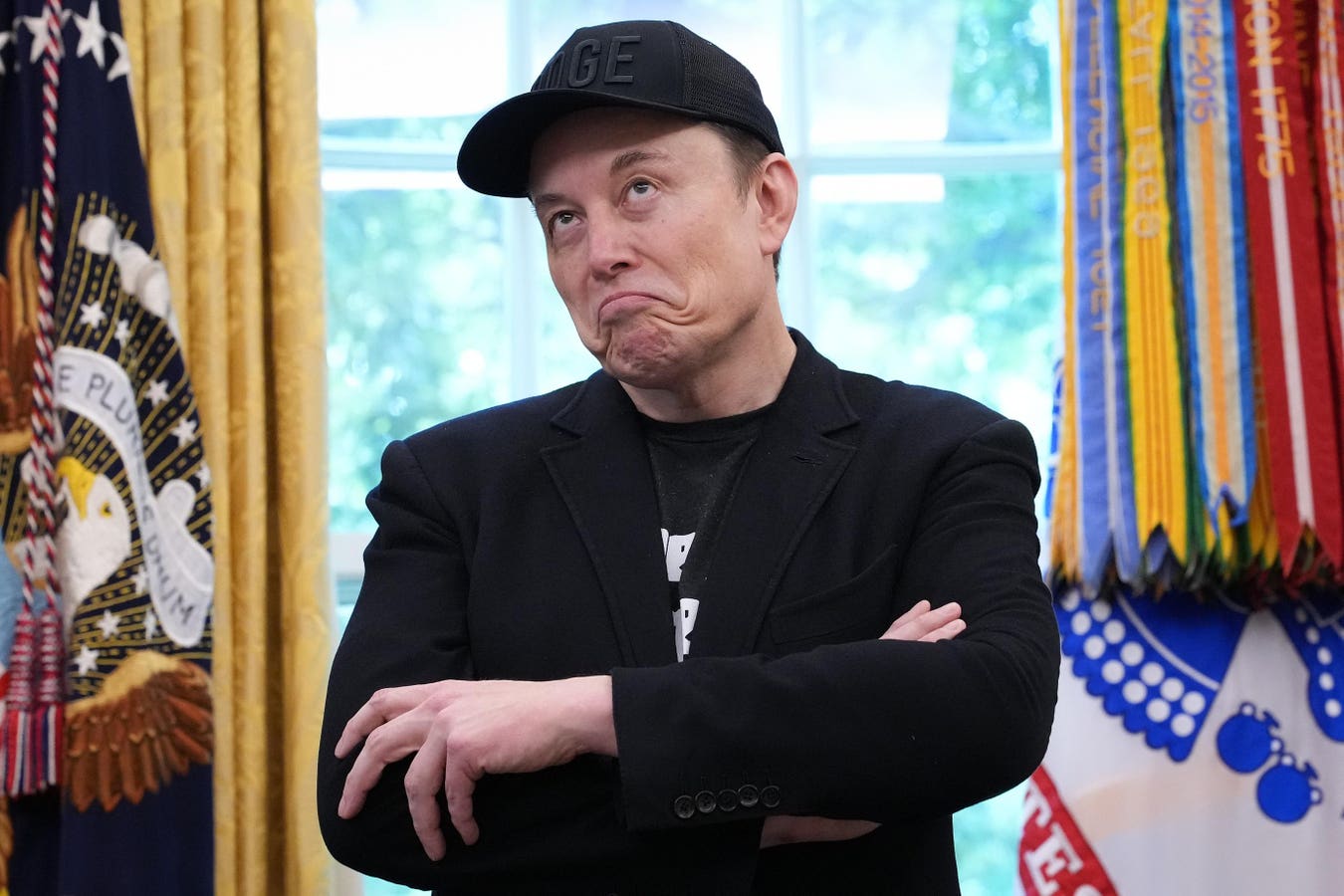
Elon Musk’s investing strategy has consistently defied conventional market wisdom by prioritizing long-term vision over market timing, a approach that has contributed to his position as one of the world’s wealthiest individuals. Rather than attempting to predict short-term market movements, Musk focuses on identifying transformative technologies and industries, then commits substantial resources regardless of current market conditions. This investment philosophy has underpinned his success across multiple ventures, from electric vehicles to space exploration.
The billionaire entrepreneur’s approach centers on continuous investment in companies and projects he believes will reshape entire industries, according to financial analysts tracking his portfolio moves. Instead of waiting for optimal entry points or attempting to time market cycles, Musk maintains a steady commitment to his core businesses and emerging opportunities that align with his vision for the future.
How Elon Musk’s Investment Philosophy Differs From Traditional Approaches
Traditional investment strategies typically emphasize buying low and selling high, with careful attention paid to market cycles and economic indicators. However, Musk’s method prioritizes technological disruption and scalability over short-term price fluctuations. This long-term investment strategy has allowed him to build dominant positions in industries that many initially dismissed as too risky or speculative.
The Tesla CEO has repeatedly invested in his own companies during periods of uncertainty, often using personal funds or stock to maintain momentum during challenging times. During Tesla’s production difficulties in 2018, for example, Musk continued pouring resources into the company despite widespread skepticism from market observers. This unwavering commitment, rather than retreating during difficult periods, has become a hallmark of his wealth-building approach.
Why Ignoring Market Timing Creates Long-Term Value
Market timing requires accurate predictions about future price movements, which even seasoned professionals struggle to achieve consistently. By removing timing considerations from his investment decisions, Musk eliminates a significant source of potential error and emotional decision-making. Financial experts note that this approach aligns with research showing that time in the market typically outperforms timing the market for long-term wealth accumulation.
Additionally, Musk’s strategy allows for compound growth across extended periods without the disruption of frequent buying and selling. His holdings in Tesla, SpaceX, and other ventures have benefited from years of uninterrupted development and market expansion. This patient capital approach enables breakthrough innovations that require sustained investment over many years.
The Role of Diversification and Risk in Musk’s Portfolio
While concentrated in technology and innovation sectors, Musk’s investing strategy demonstrates deliberate diversification across different transformative industries. His portfolio spans electric vehicles, renewable energy, space technology, artificial intelligence, and neural interfaces. This sector diversification provides exposure to multiple high-growth opportunities while maintaining thematic consistency around technological advancement.
Meanwhile, critics point out that this approach carries substantial risk, as demonstrated by periods when Tesla’s stock price declined dramatically. The strategy requires significant capital reserves and high risk tolerance that may not be suitable for average investors. Nevertheless, for those with long investment horizons and strong conviction in specific industries, the approach offers a compelling alternative to traditional market timing.
Looking ahead, Musk’s continued investments in artificial intelligence through ventures like xAI and ongoing SpaceX developments suggest his market timing-agnostic philosophy remains unchanged. Industry observers expect this long-term approach will continue driving his investment decisions regardless of near-term market volatility or economic uncertainty.