




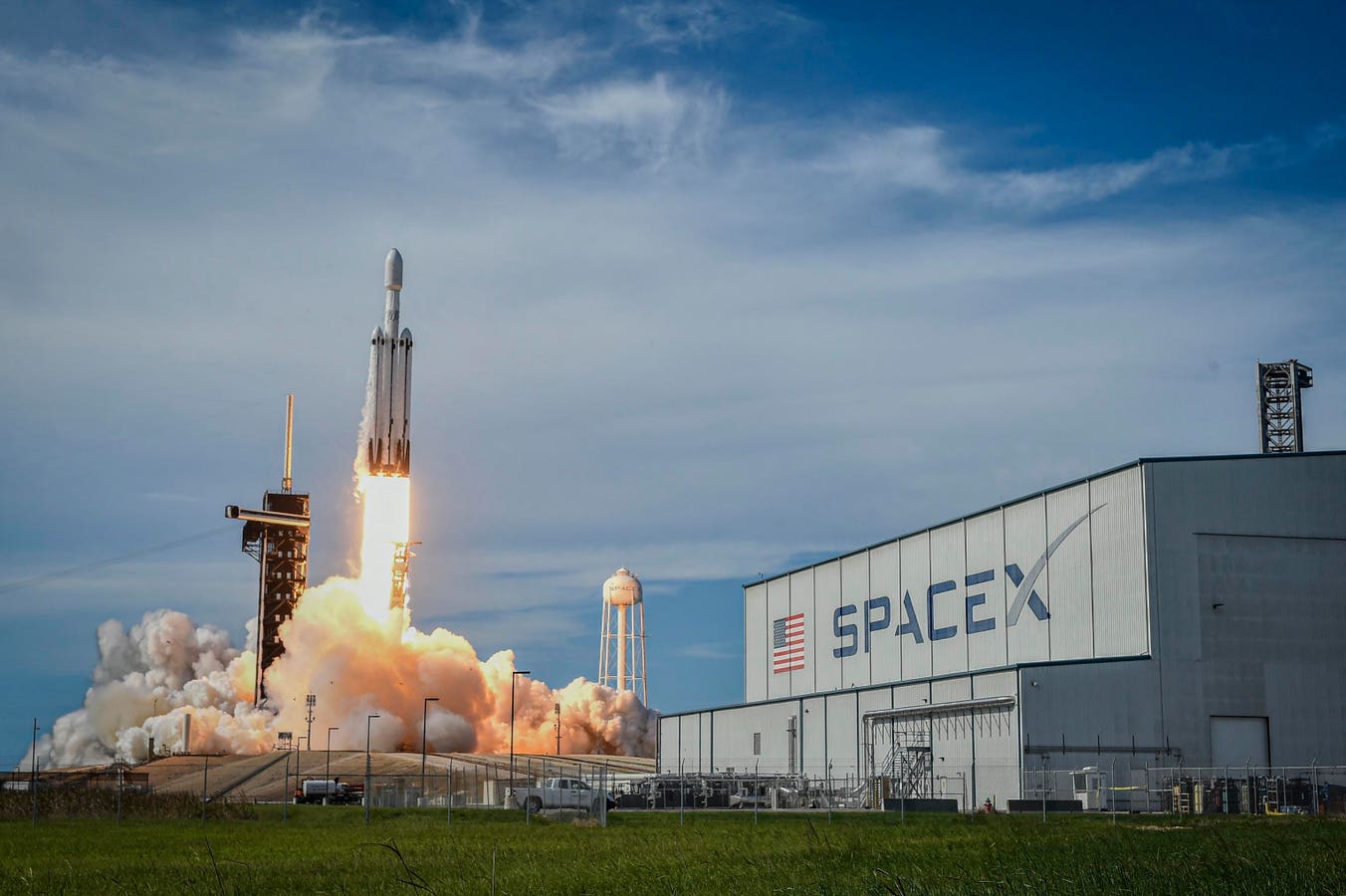
SpaceX is preparing for what could become one of the most significant initial public offerings in history, targeting a mid-to-late 2026 launch with an anticipated valuation of approximately $1.5 trillion. This SpaceX IPO would represent nearly double the company’s late-2025 private market valuation of $800 billion, according to recent reports. The space exploration company, led by Elon Musk, is positioning itself to capitalize on multiple revenue streams including its Starlink satellite internet service, government contracts, and future ventures in deep space transportation.
The timing of the potential offering comes as SpaceX’s financial foundation has strengthened considerably. Conservative estimates suggest Starlink could generate approximately $11.8 billion in revenue and around $2 billion in free cash flow for 2025, according to industry analysts. The satellite internet service has reached more than 9 million users globally by early 2026, establishing a recurring revenue base that provides operational stability suitable for public market scrutiny.
Why a Full SpaceX IPO Makes Strategic Sense
Industry observers note that SpaceX is pursuing a complete company IPO rather than spinning off Starlink separately for several strategic reasons. The integrated approach allows Starlink’s cash-generating capability to fund high-risk programs like the Starship rocket system internally. Additionally, the deep interdependence across business units supports keeping operations unified, as Starlink’s viability relies on SpaceX’s low-cost launches via reusable Falcon 9 rockets.
The IPO also represents a strategic narrative shift from Tesla, which faced headwinds with global vehicle deliveries dropping nearly 9% in 2025 to 1.64 million units. Meanwhile, BYD surpassed Tesla in total global electric vehicle sales with reports indicating it delivered 2.26 million battery-powered cars in 2025. As Tesla’s growth moderates, SpaceX increasingly emerges as the logical new flagship within Musk’s portfolio.
Unprecedented Valuation Multiples
The anticipated $1.5 trillion valuation implies multiples approaching 100x based on approximately $15 billion in projected 2025 revenue, according to statements from Elon Musk. However, traditional valuation models struggle to capture SpaceX’s potential, as the company is being valued less on near-term profitability and more on future markets it could dominate. These include Starlink’s global broadband network, Starship’s potential role in Mars colonization, and emerging initiatives such as orbital artificial intelligence data centers.
The valuation reflects investor confidence in Musk’s ability to repeatedly disrupt capital-intensive industries. SpaceX’s demonstrated achievements, most notably reusable rockets and Starlink’s rapid scale-up, underpin this belief. The company currently dominates the launch market with over 9,000 Starlink satellites serving customers in over 100 countries.
Competitive Advantages and Market Position
No launch or broadband competitor currently matches SpaceX’s scale, launch cadence, or cost structure. Amazon’s Leo network, which rivals Starlink, aims for a constellation of 3,236 low Earth orbit satellites but faces a high-pressure regulatory timeline. Amazon needs to launch 1,600 satellites by July 30, 2026, to maintain its FCC license, reinforcing SpaceX’s position as the established incumbent.
SpaceX operates as critical global infrastructure, which insulates it from many consumer-brand risks that affect companies like Tesla. The Starshield program, a military variant of Starlink, has progressed from pilot deployments to a formal program of record in the Pentagon’s 2026 budget. This government support helps establish a valuation floor for the company.
Significant Risks and Execution Challenges
Despite the optimistic outlook, the SpaceX IPO carries substantial risks that investors must consider. Starship execution remains critical, with Flight 12 expected in March 2026 representing an important milestone using the new V3 architecture. The company’s long-term upside relies heavily on Starship achieving high reusability and significant cost reductions, which remain unproven at commercial scale.
Expansion into lower-GDP regions may limit pricing power for commercial Starlink services compared to U.S. levels. Furthermore, becoming a public company will bring unprecedented transparency to Starlink’s unit economics, churn rates, and margins—areas previously guided primarily by management narrative. This scrutiny will extend to government contract milestones, including SpaceX’s NASA contract to develop a Starship version for landing astronauts on the Moon under the Artemis program.
Regulatory Headwinds in Key Markets
As of early 2026, Starlink faces intensified scrutiny in key markets such as Indonesia and India, where governments emphasize data sovereignty and infrastructure localization. Local regulators are requiring Starlink to establish domestic earth stations and prohibit routing data through foreign infrastructure. Additionally, some governments are seeking alternative providers to avoid dependence on a single supplier or in response to strained relations.
Brazil is reportedly diversifying its satellite internet options by partnering with Chinese LEO operator SpaceSail, with services expected to begin in the first half of 2026. This move comes amid tense relations between Brazilian authorities and Starlink, which already maintains a significant presence in the country. Such developments could limit SpaceX’s global market dominance over time.
The exact timing and final terms of the SpaceX IPO remain subject to market conditions and regulatory approvals. Investors will be closely monitoring Starship’s development progress and Starlink’s subscriber growth metrics leading up to any potential offering announcement.