





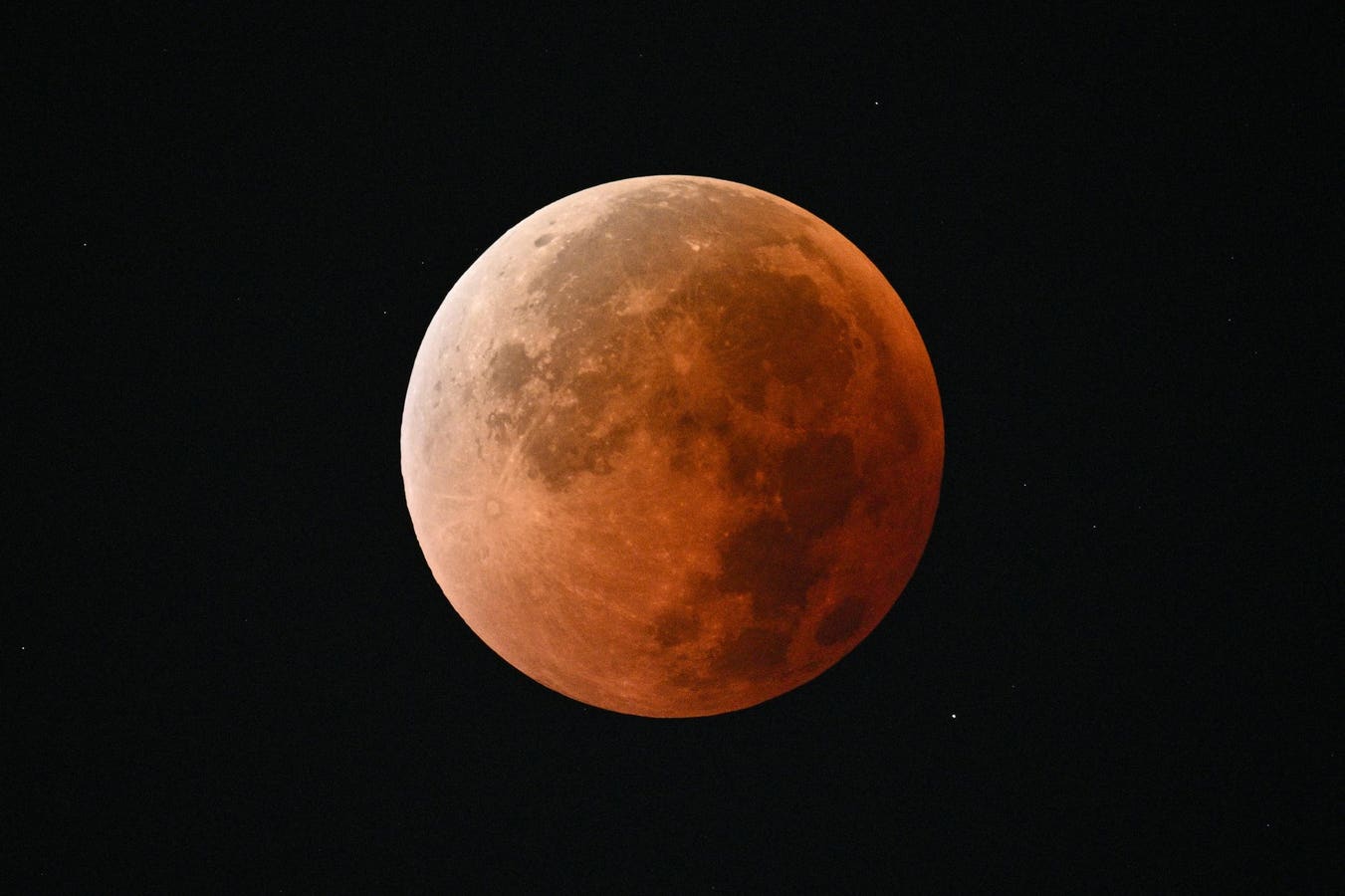
On March 2-3, 2026, skywatchers across North America, the Pacific Region, Australia, New Zealand and East Asia will witness the final total lunar eclipse until late 2028. The full worm moon will pass through Earth’s shadow and transform into a blood moon for 58 minutes during this celestial event. Observers worldwide will also see the full moon rise near sunset in their local time on Monday, March 2, 2026.
The worm moon, the third and final full moon of winter in the Northern Hemisphere, is named for the thawing ground and the return of earthworms in early spring. March 2026 delivers a textbook blue-hour full moonrise on March 2, followed hours later by the total lunar eclipse in the early morning of March 3.
Understanding the Blood Moon Total Lunar Eclipse
A total lunar eclipse occurs when Earth moves directly between the sun and the full moon, causing the lunar disk to turn a copper-reddish color. According to Meg Thacher, Associate Editor at Sky & Telescope, this reddish light comes from all the sunrises and sunsets around Earth’s rim at that moment, as sunlight skims through Earth’s atmosphere and is refracted into the umbra. Hours after moonrise, the moon will pass completely through Earth’s shadow during this rare astronomical event.
The following total lunar eclipse will take place on New Year’s Eve 2028, but the next one visible from North America isn’t until June 26, 2029. This makes the March 2026 event particularly significant for observers in the Western Hemisphere.
Optimal Viewing Times Across North America
The total lunar eclipse will unfold in the early morning hours of Tuesday, March 3, 2026, when the moon passes fully into Earth’s darkest shadow. Western states will get the best view, as the moon will set during totality for many eastern locations. The exact times of totality across U.S. time zones range from 6:04-7:02 a.m. EST on the East Coast to 1:04-2:02 a.m. HST in Hawaii.
However, the best time to watch the worm moon rise will be Monday evening, March 2, 2026, the night before the eclipse. In New York City, sunset occurs at 5:48 p.m. EST with moonrise at 6:13 p.m. EST, a 25-minute gap placing the rise squarely in blue hour. Los Angeles experiences sunset at 5:49 p.m. PST and moonrise at 6:34 p.m. PST, about 45 minutes later, offering a darker but still dramatic rise.
Phases of the Eclipse
A total lunar eclipse has five distinct phases, with only the central phase featuring the blood moon phenomenon. The moon first enters Earth’s faint outer shadow called the penumbra, then moves into the umbra, the darker central shadow. During this partial eclipse phase, the outline of Earth’s shadow can be seen moving across the lunar surface.
Totality occurs when the entire lunar surface sits within the umbra and turns reddish-orange. Additionally, observers who want to see more than just the deep red blood moon should watch the partial lunar eclipse phases, when Earth’s sharply defined shadow visibly encroaches on the moon’s disk. Across the U.S., the first partial eclipse begins about 1 hour and 15 minutes before totality.
Global Viewing Opportunities
Across Australia, New Zealand and East Asia, the eclipse will occur in the evening of March 3, or just after midnight on March 4 in New Zealand. For many observers in these regions, it will unfold high in a dark sky, offering ideal viewing conditions. In Tokyo and Seoul, totality occurs from 8:04-9:02 p.m. local time on Tuesday, March 3.
Meanwhile, Beijing and Hong Kong will see totality from 7:04-8:02 p.m. on the same evening. Sydney, Australia will experience totality from 10:04-11:02 p.m., while Auckland, New Zealand must wait until just after midnight on March 4, from 12:04-1:02 a.m. NZDT.
Safety and Additional Context
It’s completely safe to watch all stages of any lunar eclipse with the naked eye, binoculars or a telescope, with no filters required. In contrast to solar eclipses, which require certified eye protection, a lunar eclipse involves only reflected sunlight fading and reddening.
The worm moon is one of 13 full moons in 2026, a year that includes an extra full moon because the lunar year is about 11 days shorter than the solar year. The year 2026 will also feature two lunar eclipses, with the second on Aug. 27-28 being a very deep partial lunar eclipse as 96% of the full moon moves through Earth’s umbra.
The March 2026 total lunar eclipse follows an annular solar eclipse on Feb. 17, marking an unusually active eclipse season. Authorities have not confirmed whether additional eclipses will be visible from North America before the next total lunar eclipse in 2029.