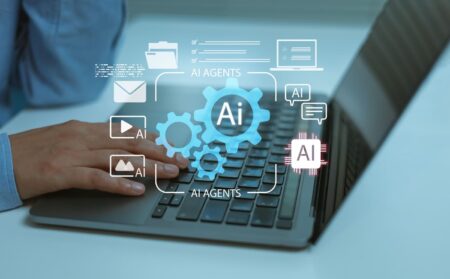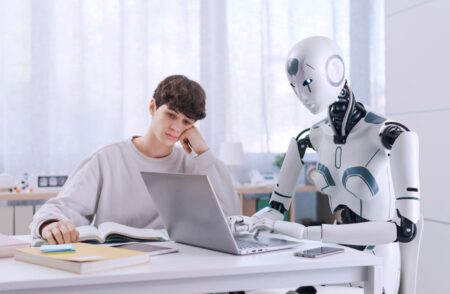




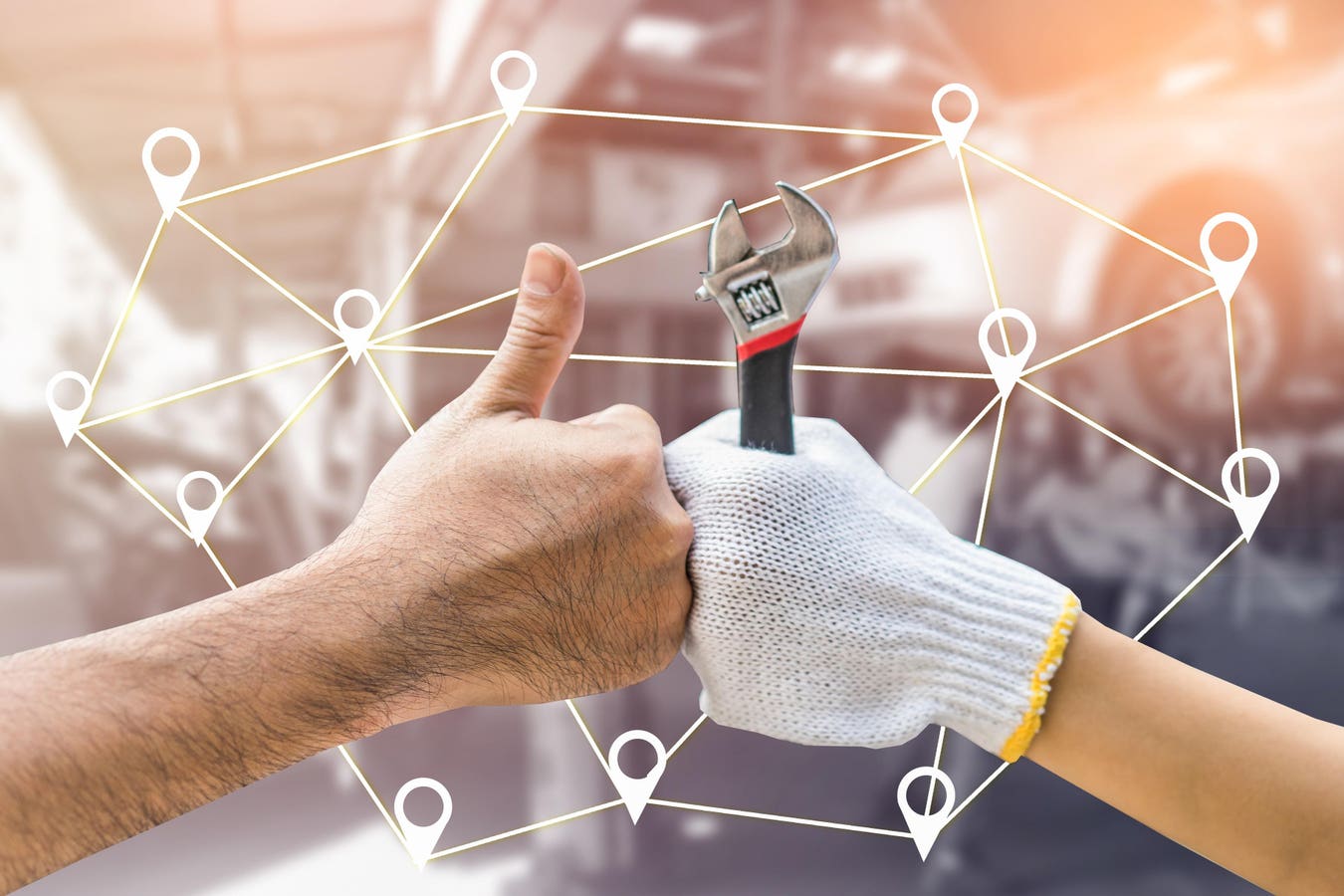
A new framework for understanding how professionals interact with artificial intelligence in the workplace is gaining traction across industries. The “Toolmaster relationship” describes a dynamic where human expertise directs AI execution, creating a partnership that prioritizes human command while leveraging machine efficiency. This approach is already reshaping productivity standards for knowledge workers worldwide, according to recent industry research.
The Toolmaster relationship positions professionals as directors and AI systems as highly capable executors. Unlike traditional delegation models, this framework treats AI as an on-demand cognitive enhancement tool rather than a substitute for human judgment. The human maintains full control over strategy and decision-making while AI handles execution and scale.
Widespread Adoption Among Knowledge Workers
According to the Microsoft and LinkedIn 2024 Work Trend Index, which surveyed 31,000 knowledge workers across 31 countries, 75% of global knowledge workers are already using AI at work. Additionally, 90% of those users report that AI helps them save time on routine tasks. These figures indicate that AI integration has moved beyond experimental stages into mainstream professional practice.
The Toolmaster dynamic proves particularly effective in scenarios requiring clarity and precision. Lawyers summarizing case precedents, financial officers generating scenario models, and content strategists repurposing presentations into multiple formats all benefit from this approach. In each instance, humans provide judgment and context while AI delivers speed and scalability.
Measurable Productivity Gains From AI Tools
Research from the London School of Economics found that professionals using AI save an average of 7.5 hours per week, equivalent to one full working day. This represents significant time that professionals can redirect toward strategic thinking, leadership responsibilities, and specialized work that requires uniquely human capabilities. However, these productivity improvements come with important considerations.
The primary risk associated with the Toolmaster relationship involves skill atrophy. When AI makes task execution effortless, professionals may stop developing the critical capabilities that originally made their instructions valuable. If individuals never draft documents independently, they may eventually lose the editorial instincts that made their revisions effective.
Maintaining Human Expertise in AI Partnerships
Experts emphasize that the Toolmaster relationship works best when humans remain intellectually engaged rather than purely managerial. The framework succeeds when professionals use AI to eliminate mechanical tasks while preserving human thinking for strategic decisions. Meanwhile, organizations must ensure employees continue developing core competencies rather than becoming dependent on AI execution.
The distinction between tool use and cognitive outsourcing remains critical. In contrast to passive delegation, effective Toolmaster relationships require active human oversight and continuous skill refinement. Professionals must regularly evaluate whether AI is enhancing their capabilities or replacing essential thinking processes.
Industry analysts suggest the Toolmaster framework will continue evolving as AI capabilities expand and workplace integration deepens. Organizations are expected to develop clearer guidelines around AI tool usage and skill maintenance protocols. The long-term impact on professional development and workforce training remains under evaluation as adoption rates continue climbing across sectors.