





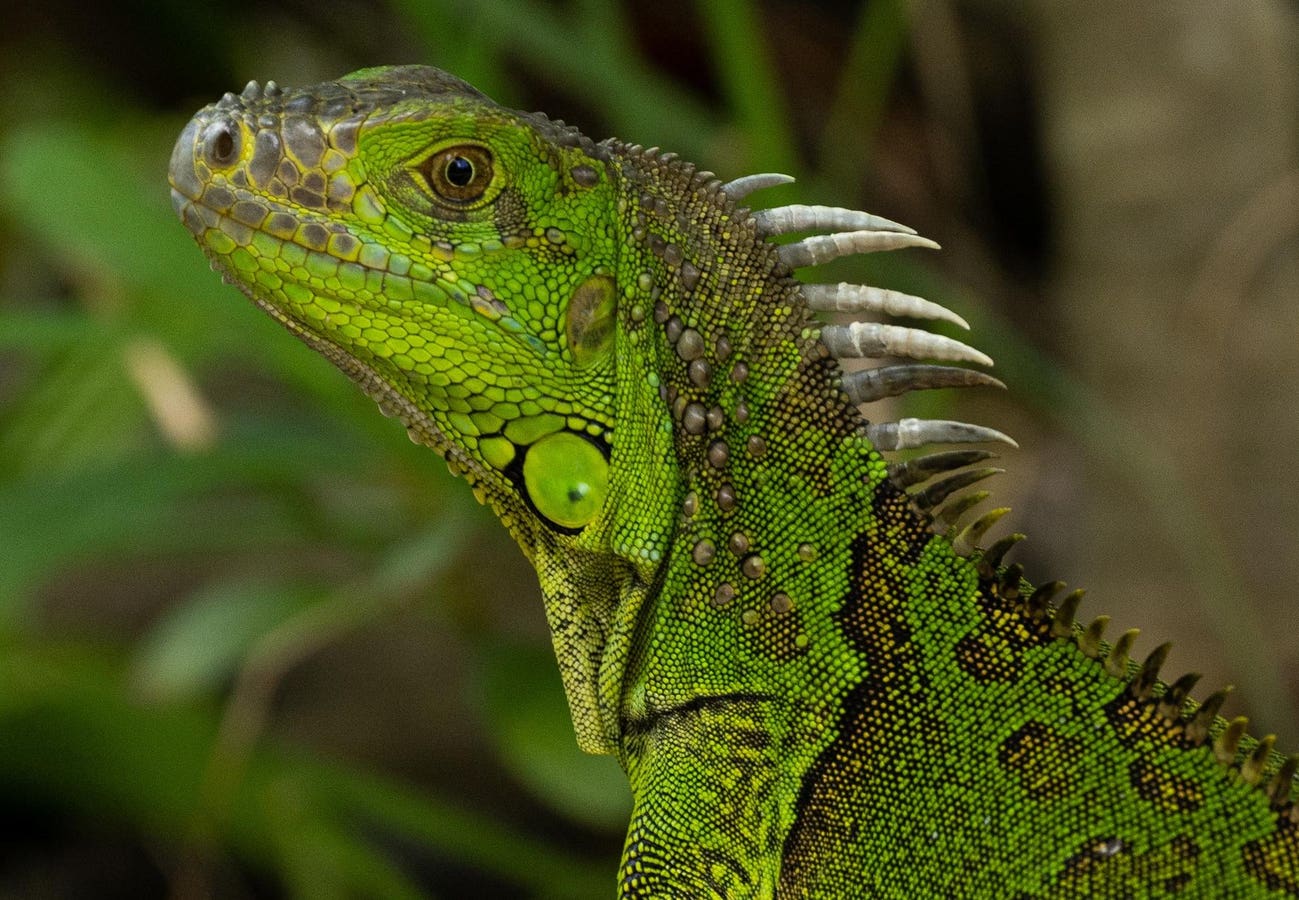
Extreme freezing temperatures in Florida during early February enabled wildlife officials and residents to capture nearly 5,200 invasive green iguanas that became immobilized in the unprecedented cold. The Florida Fish and Wildlife Conservation Commission issued a temporary executive order allowing residents to collect and transport the cold-stunned green iguanas without permits, marking an unusual opportunity to control the destructive non-native species.
Record low temperatures swept across the Sunshine State on February 1, with temperatures plunging to 20 degrees in Apalachicola, 23 degrees in Winter Haven, 29 in Tampa, and 30 degrees in West Palm Beach. These frigid conditions, unseen for over a century in the region, caused the invasive reptiles to literally drop from trees as their bodies became immobilized.
The FWC established drop-off sites in south and southwestern Florida where residents could deliver captured iguanas within 24 hours. According to FWC Executive Director Roger Young, Sunrise received 3,882 green iguanas, Tequesta collected 1,075, Marathon took in 215, and Fort Myers received 23 during the two-day collection period from February 1-2.
However, officials warned against bringing cold-stunned iguanas indoors to warm up. When temperatures descend below 50 degrees Fahrenheit, green iguanas become immobilized but can recover quickly once warmed.
“Iguanas can recover from cold-stunning more quickly than you may expect and, once recovered, can act defensively, with long tails that whip and sharp teeth and claws,” FWC stated in public advisories. The reptiles can span over five feet long, with males weighing up to 17 pounds.
Impact of Green Iguanas on Florida’s Ecosystem
Green iguanas first appeared in Florida approximately 60 years ago and have since caused significant environmental and economic damage. These invasive reptiles primarily eat plants but also consume tree snails, including endangered species, and nickerbean vines that serve as host plants for the endangered Miami Blue butterfly.
Additionally, the reptiles damage infrastructure by digging extensive burrow systems that erode sidewalks, foundations, seawalls, berms, and canal banks. The Bureau of Land Management expressed particular concern about tunnel systems destabilizing shorelines and threatening historic and natural landscapes.
Meanwhile, green iguanas became a prohibited species in Florida in 2021 due to their negative impacts on native wildlife and the economy. Possession now requires special permits, though escaped or released pets remain a primary source of introduction despite state laws prohibiting the release of non-native species.
Removal Efforts and Future Management
FWC staff worked to transfer the captured invasive reptiles to individuals holding permits authorizing possession of live green iguanas. According to the agency, some iguanas were sold outside Florida for the pet trade or educational purposes.
In contrast, iguanas that could not be transferred to permit holders were humanely euthanized by trained staff, the agency stated. The removal of over 5,000 non-native lizards in such a short timeframe was only possible through coordinated efforts among multiple FWC divisions, partners, and participating residents.
The BLM’s Jupiter Inlet Lighthouse Outstanding Natural Area in northern Palm Beach County also participated in removal efforts. Staff at the 120-acre site collected 24 cold-stunned reptiles during the two-day period, addressing concerns about burrow damage to the protected area’s shoreline.
Young noted that the coordinated response demonstrated effective management of an invasive species problem that typically requires year-round control efforts. The cold snap provided a rare window for large-scale removal of these destructive reptiles from Florida’s environment.
Wildlife officials continue monitoring green iguana populations across southern Florida, though the frequency of such extreme cold events enabling mass captures remains uncertain. Authorities have not announced whether similar temporary collection programs will be implemented during future cold weather events.