





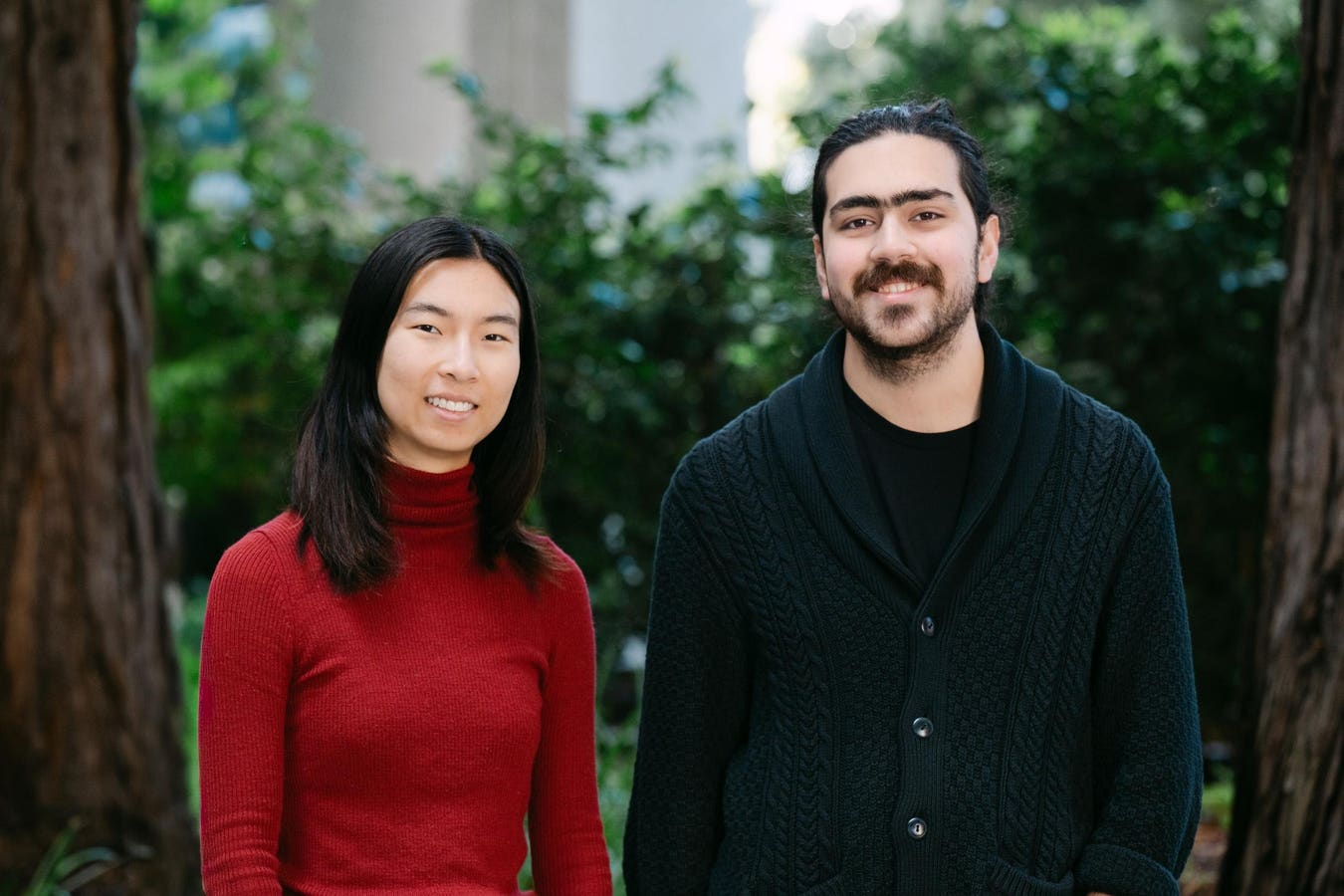
Tamarind Bio has raised $12 million in Series A funding to expand its AI infrastructure platform designed specifically for biotech research and drug discovery. The Stanford-born startup, which builds software infrastructure enabling scientists to seamlessly use multiple machine learning models, announced the funding round this week, bringing its total investment backing to $13.6 million according to company statements.
The financing was led by Dimension Capital and comes as the company reports 700% growth over the past year. Tamarind Bio has been cash-flow positive almost since its inception two years ago, with clients including pharmaceutical and biotech companies like Boehringer Ingelheim, Bayer, Mammoth Biosciences and Adimab, as well as academic laboratories worldwide.
How AI Infrastructure for Biotech Addresses Industry Challenges
The platform solves a critical problem in the life sciences sector where AI models for drug discovery are becoming increasingly important but remain difficult to implement. While machine learning tools can predict protein structures, optimize chemical reactions and perform other research tasks, they typically require additional training and sophisticated technical expertise that many biologists lack.
Tamarind Bio’s software functions similarly to an operating system like Windows, allowing scientists to use each AI model as just another application. The platform also enables researchers to program workflows, train models on their own data and integrate them into laboratories to conduct experiments that validate findings.
Cofounder Deniz Kavi explained that the software allows scientists to leverage AI capabilities “without worrying about the infrastructure side or the plumbing, or just the painful software work that they don’t need to be dealing with on a day-to-day basis.” This approach removes technical barriers that have prevented many researchers from adopting AI tools in biotech applications.
From Stanford Lab Project to Venture-Backed Startup
The company’s origin story reflects organic demand for simplified AI infrastructure in biotech. Kavi and cofounder Sherry Liu initially created the software for their own lab at Stanford to make it easier for colleagues to use AI tools, building what Kavi described as simply “a website to run some of the models we were using.”
However, word-of-mouth interest from other researchers led the pair to found Tamarind Bio two years ago. The startup was incubated at Y Combinator and has since attracted clients across academic and commercial sectors without employing a traditional sales staff.
According to Nan Li, an investor at Dimension Capital who led the Series A round, the most compelling aspect of Tamarind’s growth is that it was accomplished entirely through product quality rather than aggressive sales tactics. Li characterized it as “a story of a company that’s just growing because the product kicks ass and not because they raised tons of venture dollars or their super famous founders.”
Competitive Landscape and Future Plans
Li indicated that Tamarind Bio faces limited direct competition currently, with the primary alternative being in-house software that biotech companies build themselves for handling AI models. Additionally, he expressed confidence that these “homegrown versions are brittle,” eventually creating demand for Tamarind’s more robust solution.
The company plans to use the new funding to double its headcount from the current 12 employees and continue improving its software platform. Despite being cash-flow positive and not strictly needing the capital, management decided to take advantage of investor interest to accelerate growth and development.
Kavi stated that the company’s ambition extends beyond current capabilities, saying they “want to be the single place where all computation happens on anything before human trials.” This vision positions Tamarind Bio as a comprehensive AI infrastructure for biotech platform serving the entire drug discovery and development pipeline up to clinical testing in humans.
The company has not disclosed specific timelines for future product releases or expansion plans, though continued growth appears likely given current momentum and fresh capital availability.