





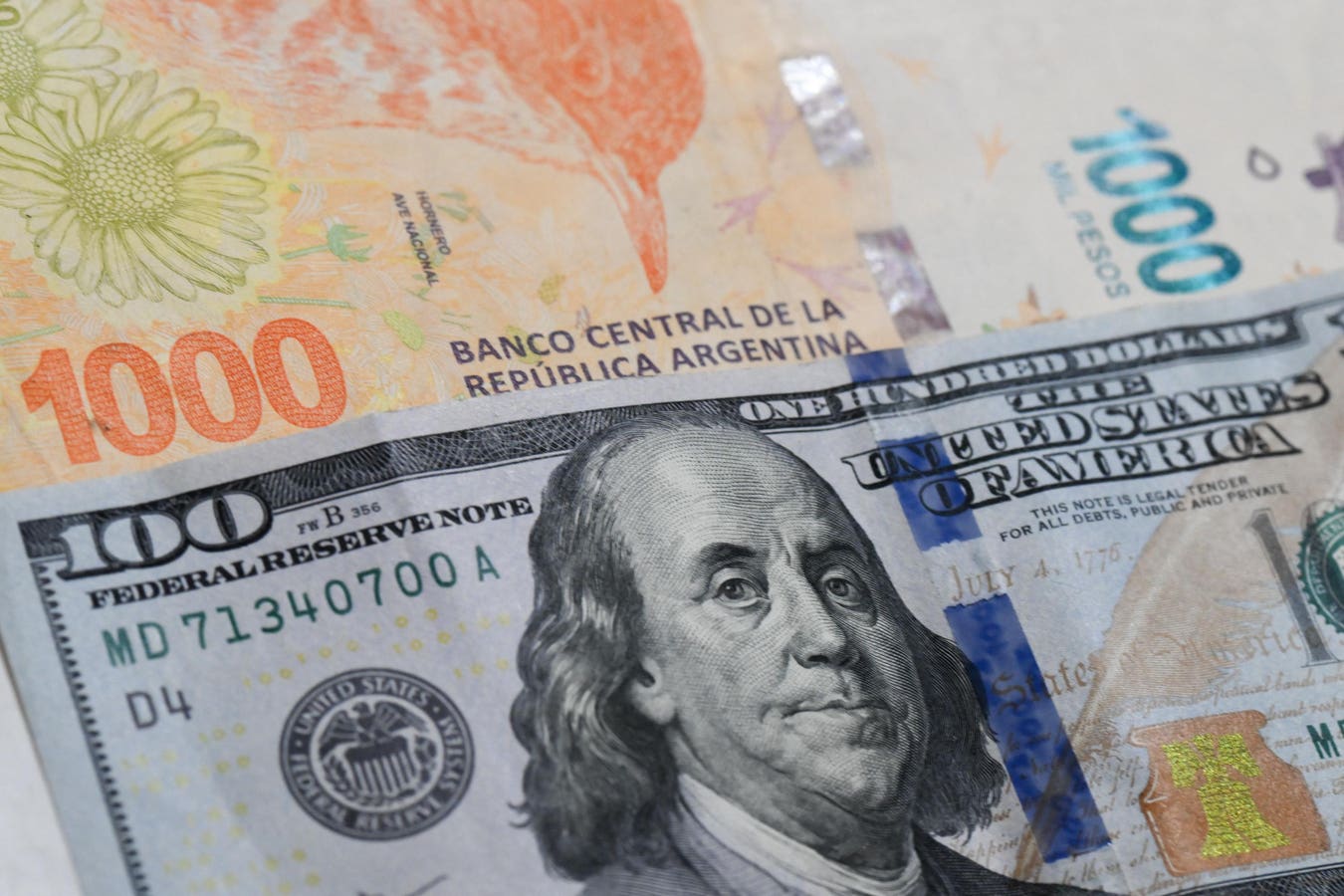
The United States dollar continues to maintain its position as the world’s dominant currency for cross-border payments, despite growing concerns about its future role and the emergence of alternative payment infrastructure. According to the International Monetary Fund, US dollars accounted for 57% of global foreign exchange reserves in the third quarter of 2025, while the Bank for International Settlements reported that the dollar represented 89% of global foreign exchange volumes in April 2025. However, geopolitical tensions and tariff policies are prompting countries to explore alternatives to US-dominated payment systems.
The dollar’s dominance is deeply rooted in US-owned payment infrastructure that processes the majority of international transactions. The Clearing House’s Interbank Payments System processes approximately $1.9 trillion in domestic and international payments daily, according to industry data. Additionally, US-based correspondent banks facilitate most international dollar settlements through systems like the Federal Reserve’s Fedwire.
Alternative Cross-Border Payment Systems Gaining Ground
China has emerged as a key player in developing alternatives to US dollar payment infrastructure. The Cross-Border Interbank Payment System, backed by the People’s Bank of China, reported average daily volumes of 772.1 billion yuan ($110.7 billion) in January 2026, representing a 24% increase compared to the previous year. However, experts note that CIPS still relies on Swift for messaging in many transactions, limiting its immediate impact on dollar dominance.
Meanwhile, the BRICS bloc announced BRICS Pay in 2024, a decentralized digital platform designed to connect payment systems across member nations including Brazil, Russia, India, and China. The initiative aims to reduce dependence on US dollar transactions within these economies. Russia has also developed its System for Transfer of Financial Messages as an alternative to Swift after being excluded from that system in 2022.
Regional Payment Networks Challenge US Dollar Infrastructure
Southeast Asian countries are increasingly linking domestic real-time payment networks to enable cross-border flows without US intermediaries. India’s Unified Payments Interface is now connected to systems in other countries, allowing Indian travelers to make payments abroad more easily. Brazil’s Pix digital payment system has also gained significant traction domestically and is exploring international connections.
In addition, African nations have launched regional payment initiatives including the Pan-African Payment and Settlement System. The Common Market for Eastern and Southern Africa recently introduced its Digital Retail Payments Platform to facilitate transactions using local currencies across member states.
Dollar Dominance Remains Strong Despite New Competition
Despite the proliferation of alternative payment rails, the US dollar’s position in global trade remains secure due to several fundamental factors. The high liquidity and maturity of US financial markets continue to drive demand for dollar-denominated assets and transactions. Swift data from January 2026 shows that USD payments accounted for 49.7% of messages delivered through the system, significantly ahead of the euro at 22% and the Chinese yuan at just 3%.
Nevertheless, some regional shifts are occurring. Within China specifically, the yuan’s share of non-bank outbound cross-border payment volumes reached 53.9% in 2025, while the US dollar’s share fell to 40.5%, according to official data. This demonstrates that while global yuan usage remains limited, China has successfully increased its currency’s role within its own payment flows.
Stablecoins and the Future of Cross-Border Payments
The role of stablecoins in cross-border payments presents both opportunities and challenges for US dollar dominance. Most stablecoins currently in circulation are USD-denominated, and US policy initiatives like the GENIUS Act signed in July are designed to leverage stablecoins to increase dollar holdings in central bank reserves. However, if non-USD-backed stablecoins gain significant market share, they could contribute to currency diversification in international settlements.
The development of alternative payment infrastructure signals a gradual shift toward a more fragmented global payments landscape rather than an immediate threat to dollar supremacy. While these new systems enable more local currency settlement and reduce reliance on US-controlled infrastructure, they remain in early stages or focused on specific regional corridors. The trend suggests a slow transition toward a broader range of reserve currencies over time, though the dollar’s dominance in cross-border payments is expected to persist in the near term.