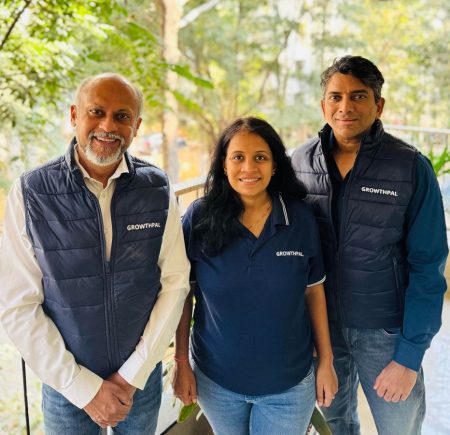






In what appears to be an unprecedented move in the fintech industry, Sadi Khan, CEO and cofounder of home equity lender Aven, has announced that he and his company are donating several million dollars to establish a new federal credit union. The initiative represents a novel approach to expanding access to lower-cost financial products, particularly for homeowners seeking alternatives to traditional banking services.
The new institution, Haven FCU, will be based in Santa Clara, California, and is expected to launch digital banking products in 2025. According to Khan, the credit union will open a physical location within the next 18 months, though the exact number of branches will be determined by Haven’s independent management team.
Why Aven Is Launching a Federal Credit Union
Khan says the decision stems from his belief that credit unions are structurally positioned to reduce borrowing costs for consumers. Founded in 2019, Aven specializes in credit cards backed by home equity lines of credit, offering up to $400,000 to customers with prime and super prime FICO scores typically above 700. The company reached a $2 billion valuation in 2024 and has issued $4 billion in loans to more than 75,000 customers.
However, Khan emphasizes that while the credit union will remain independent, he hopes it will offer Aven products to its members if they prove competitive. The arrangement could potentially provide Aven with a new distribution channel while giving credit union members access to home equity financing options.
The Credit Union Advantage
Credit unions differ fundamentally from traditional banks because they operate as not-for-profit institutions owned by their members. This structure typically results in lower interest rates on loans and reduced fees on credit cards, according to industry data. Additionally, credit unions do not pay federal income taxes, allowing them to pass savings directly to members.
Khan’s personal connection to credit unions began when he immigrated to the United States from Bangladesh. After graduating from the University of Waterloo in 2008, he opened his first U.S. bank account at First Tech Credit Union, which accepted his Microsoft employment letter as underwriting documentation when traditional banks would not serve him as a young immigrant without established credit history.
Charter Approval and Regulatory Oversight
Aven began the application process for Haven’s federal credit union charter in 2023. The National Credit Union Administration approved the charter in December 2025 after a rigorous review process that included examination of business plans, marketing strategies, financial projections, and stress testing for interest rate risk, liquidity, and credit risk. Haven was among only three credit union charters granted in 2025, according to the report.
The NCUA insures credit union deposits up to $250,000, similar to FDIC coverage for traditional banks. Haven will operate with its own CEO and management team separate from Aven, though Khan and another Aven employee will serve on the credit union’s five-person board of directors. Chris Tissue, chief operating officer at credit union consulting firm CUCollaborate, will chair the board.
Membership Structure and Accessibility
Federal regulations require every credit union to define a “common bond” that determines membership eligibility. Haven has established four qualifying groups, including a geographic area covering 300,000 underserved residents in Santa Clara and San Mateo counties, where 71% of residents are classified as low-income by Census Bureau standards.
The region’s demographics show 41% Hispanic residents, 28% Asian residents, and 84% renters. Additionally, members and employees of a California-based homeowners association, the Community Impact Fund, and Aven’s 80 employees can join Haven. Because some of these organizations have national memberships, consumers outside California can gain eligibility by joining these groups to access Haven’s financial products.
Ensuring Independence and Member Protection
Board chair Tissue points to several safeguards that will protect Haven members from potential conflicts of interest. The charter approval process helps screen for commitment to the credit union model, while conflict-of-interest policies undergo periodic regulatory examination. Meanwhile, after approximately one year, board seats typically become subject to member elections, with each member holding equal voting power regardless of account size.
Khan insists that Haven will only offer Aven products if its management determines they are best-in-class. “The credit union should make that decision independently and without bias,” he stated, emphasizing that serving homeowners’ interests remains the top priority.
Broader Strategic Implications for Fintech
Beyond product distribution, partnerships with Haven and other credit unions could eventually help Aven reduce its loan funding costs. Currently, the company partners with Washington-based Coastal Community Bank to issue loans and obtains capital from banks and private credit firms. Fintech lender Upgrade has demonstrated success with a similar strategy, with CEO Renaud Laplanche reporting that credit unions purchased approximately 20% of Upgrade’s $10 billion in loans issued last year.
According to Laplanche, credit unions help reduce costs because they have lower investment-return thresholds than traditional banks. Khan acknowledges that Upgrade has developed an effective credit union relationship strategy and hopes to work with these institutions in a similar manner. He indicated that the Haven investment represents the first of potentially many investments Aven may make in credit unions.
Nevertheless, Aven spokesperson Rick Chen emphasized that the company already maintains a robust capital markets strategy, including a AAA-rated securitization program independent of Haven FCU. Khan added that while Aven might pursue its own bank charter eventually, the company has no current interest because private credit markets have reached a point where the cost of capital is efficient.
Haven FCU’s launch timeline and product offerings will be determined by its independent management team in the coming months. The credit union’s success in balancing member interests with potential Aven partnerships will likely influence whether other fintech companies pursue similar strategies in the future.