





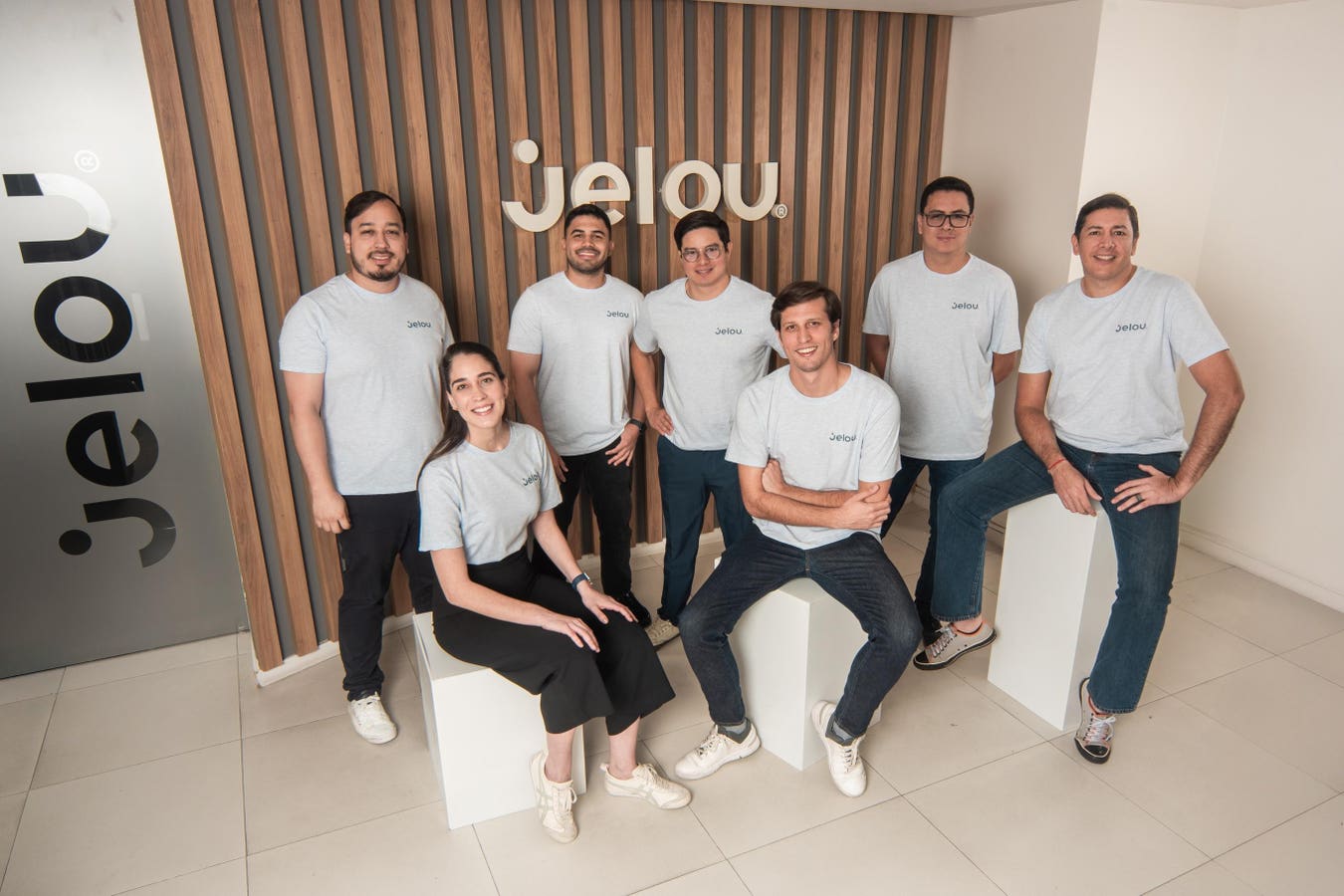
Conversational AI platforms are transforming Latin American commerce by enabling financial transactions directly within messaging apps like WhatsApp. Ecuador-based startup Jelou recently secured $10 million in funding to expand its transactional AI platform across the Americas, according to company announcements. The investment round was led by Wellington Access Ventures, with participation from Krealo, Credicorp’s CVC, and Collide Capital.
Jelou has processed more than $100 million in financial operations across 500 customers in over 13 countries, the company reports. The platform allows businesses to execute payments, open bank accounts, verify identity, and underwrite credit entirely within WhatsApp conversations. Roughly $80 million of that transaction volume has been consumer credit, enabling customers to finance purchases directly through chat interfaces.
Why Conversational AI Matters in Latin America
More than 90 percent of consumers across Latin America use WhatsApp to communicate with businesses, including banks, according to industry data. Additionally, over 70 percent of digital purchases in the region now occur on smartphones, with younger consumers often bypassing desktop experiences entirely. For many small businesses and consumers in emerging markets, messaging apps have become the primary interface for accessing the internet.
However, until recently, most conversations would break apart when financial transactions were required. Users were typically redirected to separate portals, apps, or insecure links, creating friction and abandonment. The new generation of infrastructure companies is closing this gap by enabling real financial operations to happen natively inside conversations.
Building Infrastructure for Regulated Markets
Jelou’s execution-first approach was shaped by operating in highly regulated Latin American banking environments, according to CEO and founder Luis Loaiza. Compliance, identity verification, and local payment rails were essential requirements rather than optional features. The company responded by building hyper-local infrastructure that adapts to different regulatory regimes without disrupting the user experience.
Meanwhile, that discipline is now informing the company’s expansion into the United States, where conversational AI is widespread but largely limited to customer support rather than transactional capability. Jelou’s strategy is that infrastructure already proven in emerging markets will become increasingly relevant in developed ones, particularly for small and medium-sized businesses and underserved communities.
From Access to Data Ownership
In contrast to traditional banking models, the real momentum in Latin America is shifting from mere access to actual ownership of data. For decades, many SMBs in the region were considered unbankable not because they lacked economic activity, but because their transaction history and customer data remained invisible or captured by large intermediaries. By giving businesses control over their own data, new platforms are helping unlock affordable capital while allowing companies to profit from the value their information creates.
Additionally, this data sovereignty approach is being applied across multiple sectors. Platforms working with small farmers and underbanked SMBs across Latin America are using similar models to provide producers with control over their production data, helping them access financing that was previously unavailable through traditional banking channels.
Expanding the Conversational AI Platform
The economic implications of conversational AI platforms extend beyond convenience. When individuals and SMBs transition from unbanked to banked through mobile-first, AI-driven services, participation in the formal economy expands significantly. Savings accounts, credit access, insurance products, improved underwriting, and working capital all become accessible in ways that traditional banking models struggled to deliver across the region.
Furthermore, the shift represents a fundamental change in how digital infrastructure develops in emerging markets. Rather than moving gradually from spreadsheets to software to sophisticated platforms, much of Latin America is leapfrogging straight into conversational, AI-powered workflows. This structural shift is quietly reshaping how money moves, how businesses operate, and who gets to participate in the formal economy.
Jelou plans to expand into a full operating system for conversational business, enabling companies and developers to build, deploy, and manage production-ready WhatsApp applications directly from a prompt, according to the company. The startup’s vision is to make WhatsApp the primary operating layer for businesses across the region, with Jelou providing the underlying platform that powers applications built on top of it, though specific timelines for these expansions have not been confirmed.