




A Minneapolis-based pea protein manufacturer has emerged as a major player in the food industry as demand surges from weight loss drug users seeking protein-rich diets. Puris Proteins, a family-owned company with an estimated $200 million in annual revenue, has become America’s largest pea protein manufacturer after 40 years of development, according to CEO Tyler Lorenzen.
The company supplies pea protein and soy ingredients to over 200 major food brands, including Cargill and startup Ritual. Forbes estimates Puris is worth at least $400 million, with the Lorenzen family holding approximately half that stake.
Pea Protein Demand Driven by GLP-1 Drug Users
The surge in pea protein popularity stems largely from the growing number of Americans taking GLP-1 weight loss medications. According to Lorenzen, users of these drugs prioritize getting more protein in their diets while maintaining great taste and nutrition. An estimated 31 million American adults, or roughly 12 percent, are currently taking weight loss drugs.
Data from Chicago-based Spins shows products made with pea protein have been growing at 15 percent annually, approximately five times faster than average legacy food brands. This growth has positioned Puris ahead of its competitors as consumers seek protein-packed alternatives in everyday foods like cereals, pastas, and sports drinks.
Four Decades of Traditional Plant Breeding
The company’s foundation dates back to 1985 when Jerry Lorenzen started breeding soybeans in his family basement. With just $250 in the bank account and two small children, he sold animal feed during the day while breeding soybeans at night and on weekends. However, traditional breeding without bioengineering meant waiting seven to ten years before seeing returns.
Jerry Lorenzen released his first variety in 1999 after facing mockery for his amateur strains during the golden age of Monsanto and genetically modified breeding. Unlike competitors, he never commingled traditional breeds with bioengineered ones, maintaining complete non-GMO status. Additionally, this independence allowed Puris to acquire abandoned Midwest plants and establish 100 percent domestic manufacturing.
Strategic Partnerships Fuel Expansion
A crucial turning point came in 2015 when protein powder brand Vega, which Puris supplied, was acquired by WhiteWave Foods for $550 million. Vega founder Charles Chang subsequently invested proceeds back into Puris through his private equity firm. According to Pitchbook, Puris has raised over $250 million total, including minority equity investments and debt.
In 2018, a joint venture with Cargill converted a former dairy plant into a 200,000-square-foot manufacturing facility in Dawson, Minnesota, with over $100 million invested in the business. The Lorenzens retained majority ownership despite the partnership. This expansion came as the seed industry underwent major consolidation with Dow-DuPont’s $130 billion merger and Bayer’s $63 billion acquisition of Monsanto.
Next Generation Leadership and Innovation
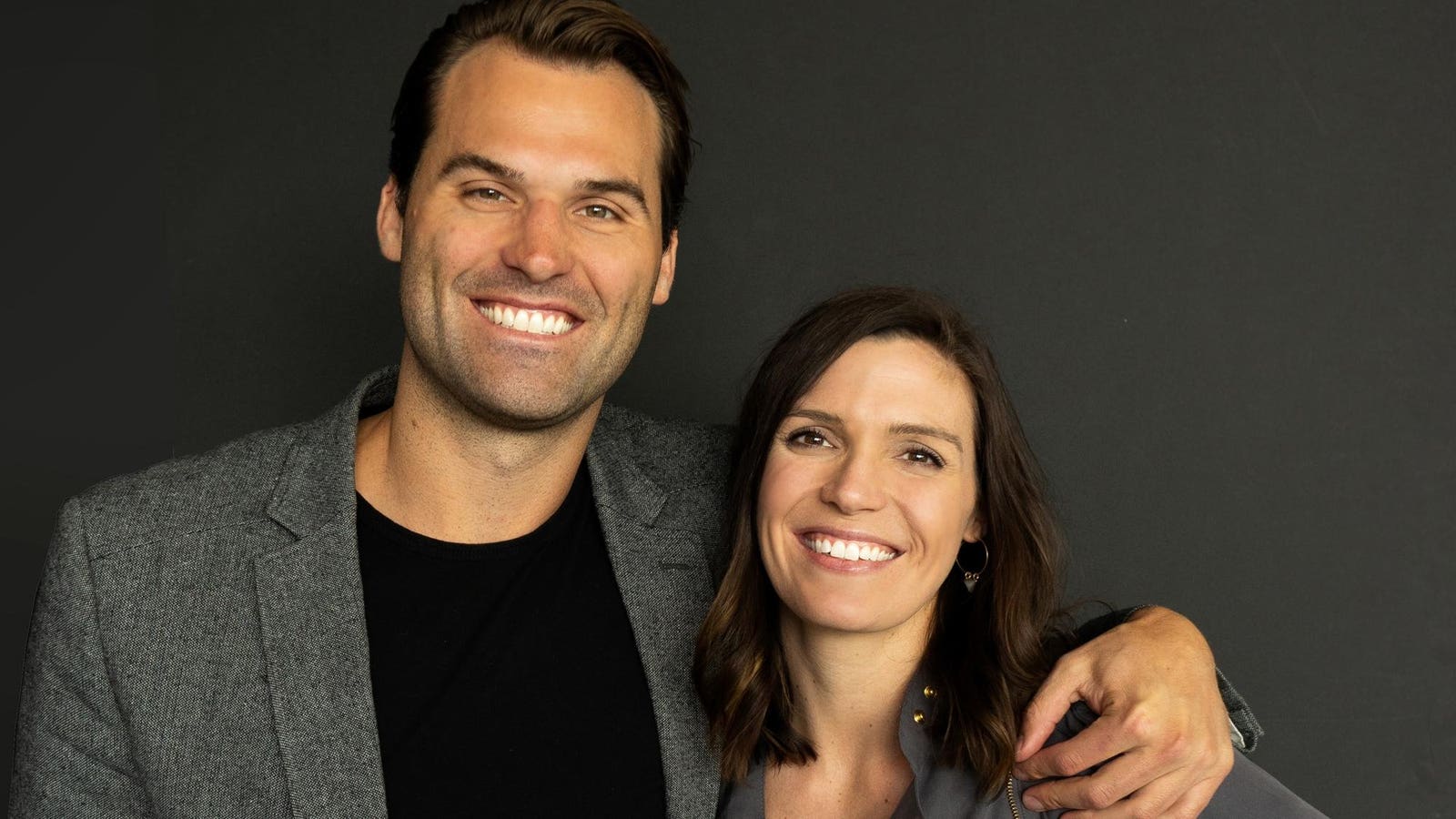
Tyler Lorenzen, who played professional football with the Super Bowl-winning 2009 New Orleans Saints, joined the family business in 2011. He became CEO of Puris Proteins in 2018, while his sister Nicole Atchison, a former medical device engineer, became CEO of Puris Holdings in 2020. Meanwhile, their father Jerry stepped back to focus on genetics research and development.
The company sells soy, corn, and pea seeds to hundreds of farmers across 20 states who produce around 3 million bushels annually. Lorenzen says Puris seeds now yield better than genetically modified competitors while providing solutions for farmers facing higher temperatures and stressed soils. In contrast to competitors focused solely on yield, Puris has always selected for high protein concentrations and flavor.
Clear Protein Opens New Markets
Puris recently commercialized a 98 percent soluble clear protein after a decade of development, targeting drinks that aren’t thick or milky. According to Lorenzen, clear protein doesn’t cause fullness while still delivering nutrition, making it ideal for GLP-1 drug users. The company expects this innovation to enable protein-infused sodas and potentially protein-filled cocktails.
The company will continue expanding the acreage where Puris seeds are farmed while developing new applications for their protein ingredients in mainstream products. The focus remains on creating products consumers will finish rather than abandon, ensuring nutrition reaches those who need it most.