





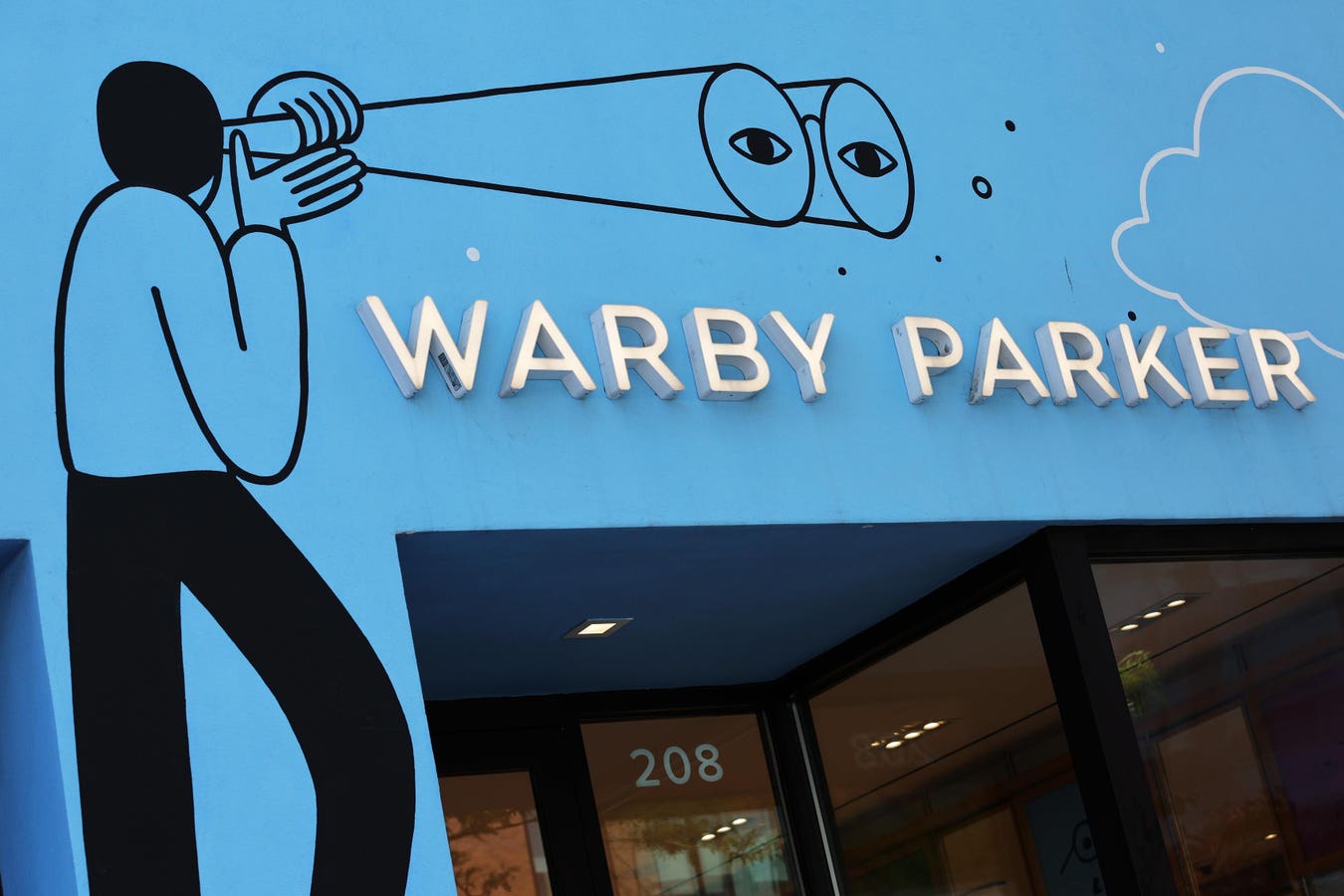
Eyewear retailer Warby Parker has announced plans to nearly triple its physical store presence to 900 locations, marking a significant shift in strategy for the company that pioneered the direct-to-consumer model in the optical industry. The expansion comes after the brand achieved its first full year of profitability and demonstrated double-digit revenue growth across all four quarters of 2025. According to company executives, consumer surveys indicate that lack of nearby store locations remains one of the primary barriers preventing new customers from shopping with the brand.
Warby Parker ended 2025 with 323 stores across 102 markets in 44 U.S. states and Canadian provinces, after opening a record 47 locations during the year. The company plans to add 50 more stores in 2026, with most new openings concentrated in existing markets rather than expanding into entirely new regions.
Warby Parker Store Expansion Strategy Focuses on Existing Markets
The decision to concentrate new store openings in established markets suggests Warby Parker is adopting a hub-and-spoke approach to physical retail. By increasing density within metropolitan areas where the brand already operates, the company aims to enhance convenience and capture greater market share rather than betting on untested territories. Co-founder and co-CEO Neil Blumenthal stated during an earnings call that the current store fleet remains “well below” the company’s long-term potential.
Additionally, the brand plans to expand its in-store eye exam services to 285 locations this year. This healthcare integration transforms Warby Parker from a primarily retail-focused business into a recurring vision care provider, anchoring customers to the brand through ongoing health needs rather than one-off eyewear purchases.
However, physical expansion represents only one dimension of Warby Parker’s growth strategy. The company announced plans to launch 15 new product collections in 2026, including its first sport collection aimed at performance-oriented consumers. This move positions the brand to compete in active and outdoor eyewear categories traditionally dominated by established sports brands.
AI-Enabled Smart Glasses Partnership Expands Product Portfolio
More significantly, Warby Parker is entering the AI-enabled eyewear market through a partnership with Google and Samsung. Co-founder and co-CEO Dave Gilboa described the upcoming AI glasses as devices that “will bring the world’s most advanced AI to glasses designed for all-day wear.” According to Gilboa, this category represents the biggest technology shift in a generation and could unlock significant new market opportunities for the company.
The brand’s established design credibility and extensive physical retail network may provide competitive advantages in the smart glasses market. Meanwhile, hundreds of stores can serve as fitting centers, demonstration spaces and adjustment points that pure technology companies cannot easily replicate. Nevertheless, AI-enabled eyewear introduces different margin profiles and research and development requirements that differ substantially from traditional optical products.
In contrast to its strategic momentum, Warby Parker reported mixed fourth-quarter financial results. Net revenue increased 11.2% year-over-year to $211.97 million but fell slightly short of analyst expectations of $213.11 million, according to the company’s investor relations announcement. Despite the modest revenue miss, the quarter contributed to a milestone full-year performance.
First Full Year of Profitability Marks Turning Point
For the complete 2025 fiscal year, Warby Parker achieved net income of $1.6 million, representing a $22 million improvement compared to 2024 and marking the company’s first profitable year since its founding in 2010. Annual net revenue grew 13% to $871.9 million, while active customers increased 7% year-over-year. Furthermore, average revenue per customer rose 5.7% to $324, reflecting gains from premium lens options, contact lens sales and customers purchasing multiple pairs.
CFO Adrian Mitchell emphasized during the earnings call that the company’s strong financial position enables continued investment in growth initiatives. The simultaneous execution of tripling the retail footprint, scaling clinical vision services and launching AI-powered hardware represents an ambitious multi-front expansion strategy.
The success of this comprehensive growth plan remains uncertain, particularly given the different operational and technological capabilities required across retail expansion, healthcare services and consumer electronics. Company leadership has not disclosed specific timelines for reaching the 900-store target or launching the AI glasses product line, though the aggressive 2026 store opening schedule suggests management confidence in near-term execution capabilities.