





The qualifying offer system in Major League Baseball experienced an unprecedented shift this offseason, with four players accepting the $22.025 million qualifying offer, nearly matching the total number of acceptances from the previous 12 years combined. Since the qualifying offer was introduced in 2012, only 14 players had accepted through 2024, but this year’s four acceptances brought the total to 18, representing more than a 30% acceptance rate compared to the historical rate of less than 10%.
The four players who accepted the qualifying offer this offseason are Brandon Woodruff of the Milwaukee Brewers, Shota Imanaga of the Chicago Cubs, Gleyber Torres of the Detroit Tigers, and Trent Grisham of the New York Yankees. Each faced unique circumstances that made the one-year, $22.025 million deal more attractive than testing free agency in an uncertain market.
Understanding the Qualifying Offer System
According to MLB rules, a player is eligible to receive a qualifying offer if he has never received one previously and spent the entire season with his current team. The qualifying offer amount is calculated as the mean salary of baseball’s top 125 highest-paid players, which has increased significantly from $13.3 million in 2012 to this year’s $22.025 million.
When a player rejects a qualifying offer and signs with another team, the original team receives draft pick compensation. However, the signing team must forfeit a draft pick and international bonus pool money, making qualified free agents less attractive to potential suitors. This penalty system has historically discouraged player movement but also typically led to rejections from players confident in securing multi-year deals.
Injury and Uncertainty Drive Decisions
Brandon Woodruff’s acceptance seemed particularly logical given his injury history. The right-hander lost the entire 2024 season to shoulder surgery and made only twelve starts in 2025 before a lat strain ended his season in September. After the Brewers declined his $20 million option while paying a $10 million buyout, Woodruff essentially secured $32 million total for 2025 and 2026 while positioning himself for unrestricted free agency in 2027.
Additionally, Shota Imanaga’s situation presented perhaps the most interesting scenario of the offseason. The Cubs declined to exercise a three-year, $57.75 million option on the left-handed pitcher, and Imanaga then declined his own one-year, $15.25 million option. When Chicago subsequently extended the qualifying offer, Imanaga accepted the nearly $7 million raise for a single season.
Market Conditions Favor One-Year Guarantees
Gleyber Torres finished his one-year, $15 million contract with Detroit posting solid overall numbers but struggled significantly in the second half due to a sports hernia. His .223 batting average and only 13 extra-base hits after the All-Star break likely dampened his free agent value. The Tigers extended their first qualifying offer since 2014, and Torres accepted what amounted to a 50% raise.
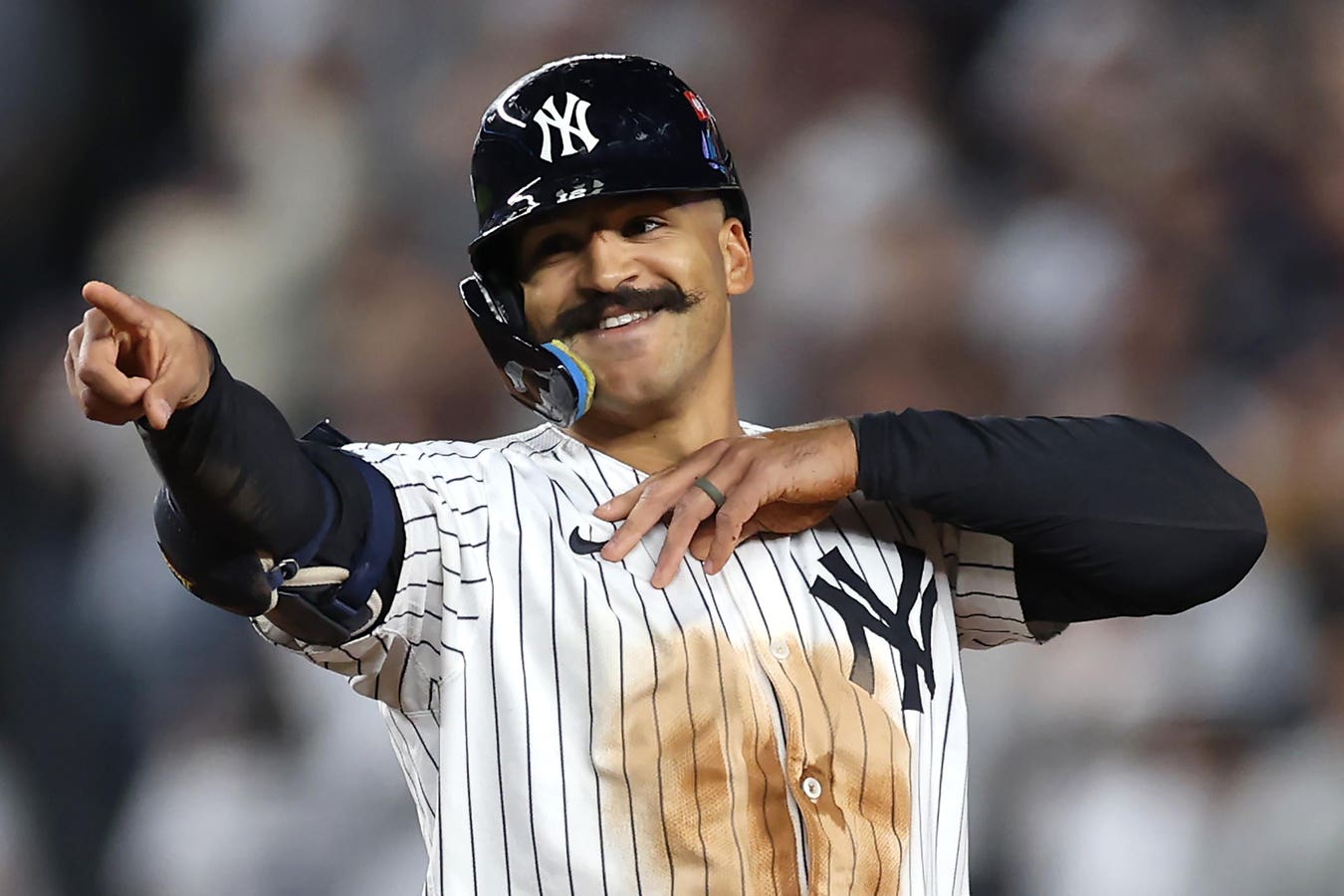
Meanwhile, Trent Grisham surprised many by accepting after posting career-best numbers across the board, including 34 home runs, 74 RBI, and a .811 OPS. However, with the Yankees focused on re-signing Cody Bellinger and young outfielders Spencer Jones and Jasson Domínguez waiting for opportunities, the $22 million guarantee proved more appealing than uncertain multi-year offers at potentially lower annual values.
Implications for Free Agency
The dramatic increase in qualifying offer acceptances this year reflects broader uncertainty in baseball’s economic landscape. With ongoing labor tensions ahead of the current collective bargaining agreement’s expiration in December, teams appear more cautious about long-term commitments. The changing television landscape and numerous teams rebuilding have created a more conservative free agent market.
In contrast to previous offseasons, players now seem less willing to gamble on securing larger multi-year deals when faced with the immediate security of $22 million. The qualifying offer system was designed to provide compensation for teams losing premium talent, but the unintended consequence has been restricting player movement due to the penalties imposed on signing teams.
As the next collective bargaining agreement approaches, industry observers expect the qualifying offer system to face scrutiny. There has been considerable discussion about reforming or potentially eliminating the mechanism to promote greater player mobility and reduce the penalties that discourage teams from signing qualified free agents. Whether this year’s acceptance rate represents a fundamental shift or a temporary anomaly driven by unique market conditions remains to be seen as both sides prepare for labor negotiations later this year.