




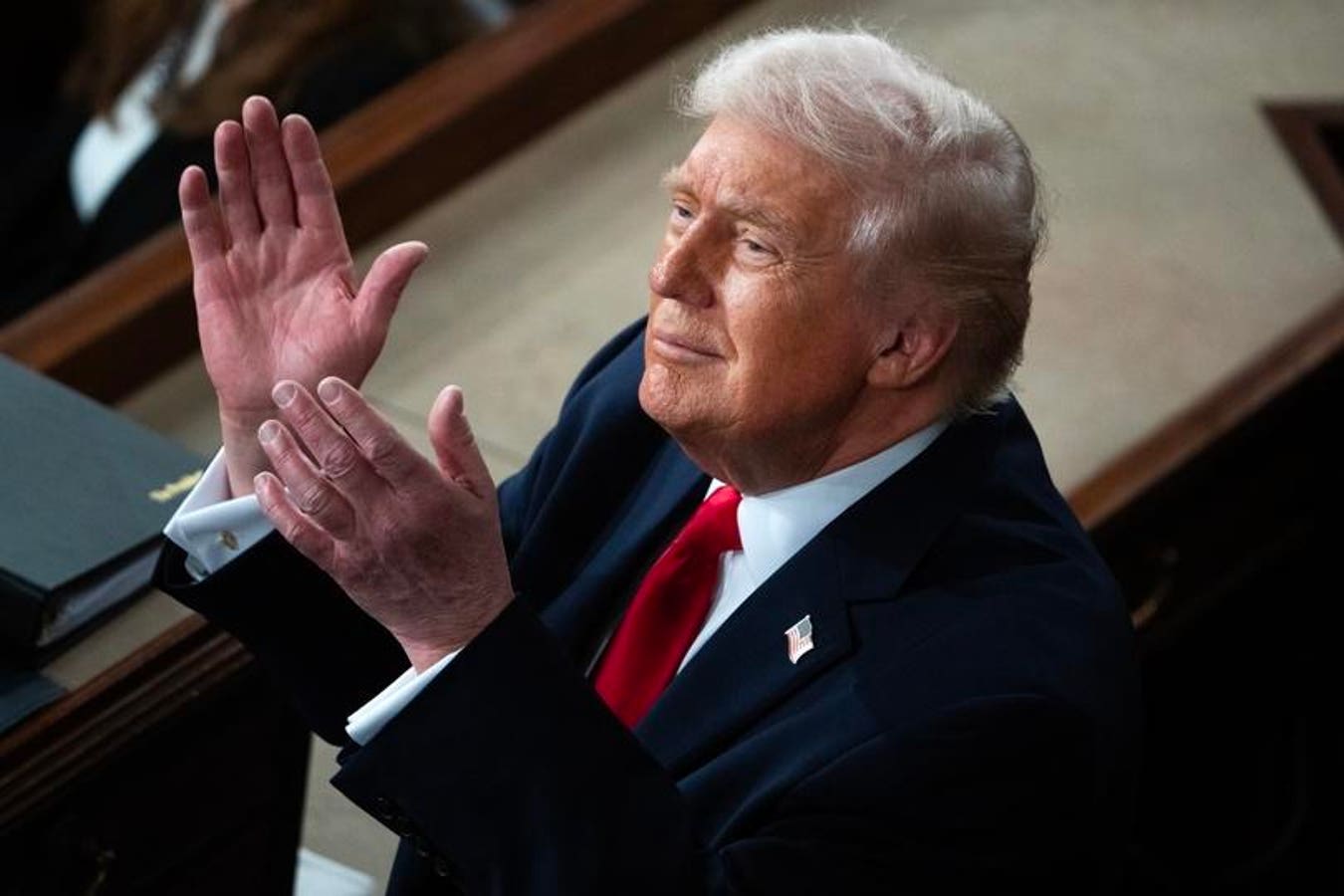
President Donald Trump made inaccurate claims about gas prices during his State of the Union address Tuesday, asserting that most states have prices below $2.30 per gallon despite national averages rising in recent weeks. The remarks came during the longest State of the Union speech in U.S. history, as the president touted what he characterized as economic achievements during his administration.
According to data from GasBuddy, the national average for gas prices reached $2.98 on Wednesday, continuing an upward trend that began in January. Trump’s claim that prices are below $2.30 in most states does not align with current market conditions across the country.
Current State of Gas Prices Nationwide
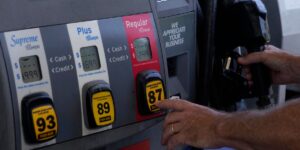
No state currently has average gas prices lower than Oklahoma, where the cost sits at $2.40 per gallon after rising from $2.29 just one week earlier, according to AAA. Additionally, user reports on GasBuddy indicate only a handful of individual pumps in Oklahoma and Texas have prices just below $2, though no gas station owners have confirmed prices under $2 in either state.
Patrick De Haan, GasBuddy’s head of petroleum analysis, stated in a Substack post Tuesday that only eight out of roughly 150,000 gas stations nationwide are selling gasoline below $2 per gallon. The president also mentioned seeing gas prices as low as $1.85 in Iowa, though the current state average stands at $2.59, according to AAA.
Why Gas Prices Are Rising
The routine transition to summer-blend gasoline is contributing significantly to the increase in gas prices, according to De Haan. The Environmental Protection Agency requires this slightly more expensive fuel during warmer months to reduce smog and harmful emissions, with the West Coast beginning this seasonal transition earlier than other regions.
Meanwhile, escalating military tensions between the U.S. and Iran are adding upward pressure on prices. De Haan told Forbes that market anxiety surrounding geopolitical tensions has pushed oil prices higher, with concerns that conflicts could threaten oil transport through the Strait of Hormuz.
Future Price Projections
Gas prices will continue rising “without a doubt” in the coming months, according to De Haan. He noted that routine seasonal price increases could push costs up 35 to 50 cents, with GasBuddy’s 2026 fuel outlook predicting national average gas prices will peak in April or May.
However, the president highlighted that gas prices have fallen 5.2 percent during his year in office. Prices reached their lowest point in five years last month at around $2.73 per gallon, thanks to low winter demand and increased oil production from the Organization of the Petroleum Exporting Countries.
Historical Context for Fuel Costs
Gas prices in the U.S. hit an all-time high in 2022, reaching an average of $5.01 per gallon as demand surged after the pandemic and Russia’s invasion of Ukraine triggered fears of supply disruptions. By the end of President Joe Biden’s term, the national average for a gallon of gas had fallen to around $3.07.
In contrast, the brief period of exceptionally low prices Trump referenced in Iowa occurred due to localized price wars rather than structural market shifts, according to De Haan’s analysis. AAA has noted that any disruption to Iran’s oil infrastructure could impact U.S. gas prices, while GasBuddy has indicated markets could price in risk even without physical disruptions to supply lines.
Industry analysts expect gas prices to continue their seasonal climb through spring, with the peak expected between April and May depending on geopolitical developments and domestic demand patterns.